Same-Day Sourdough Focaccia with Rosemary and a Crisp Olive-Oil Crust
By Miles Carr
Servings
4
Level
Easy
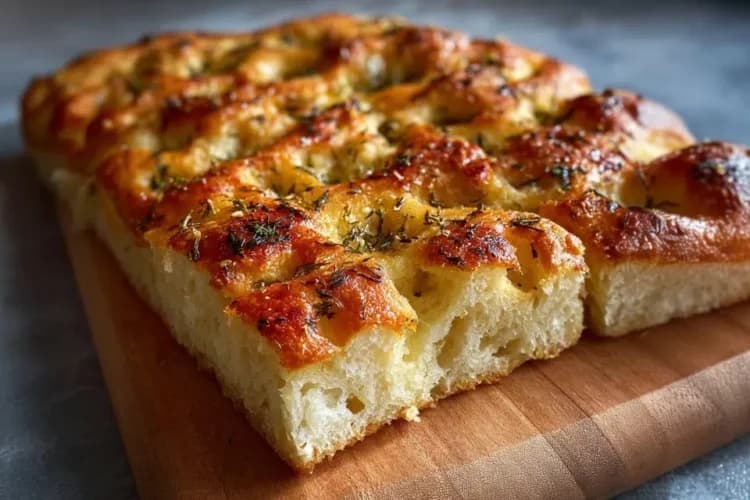
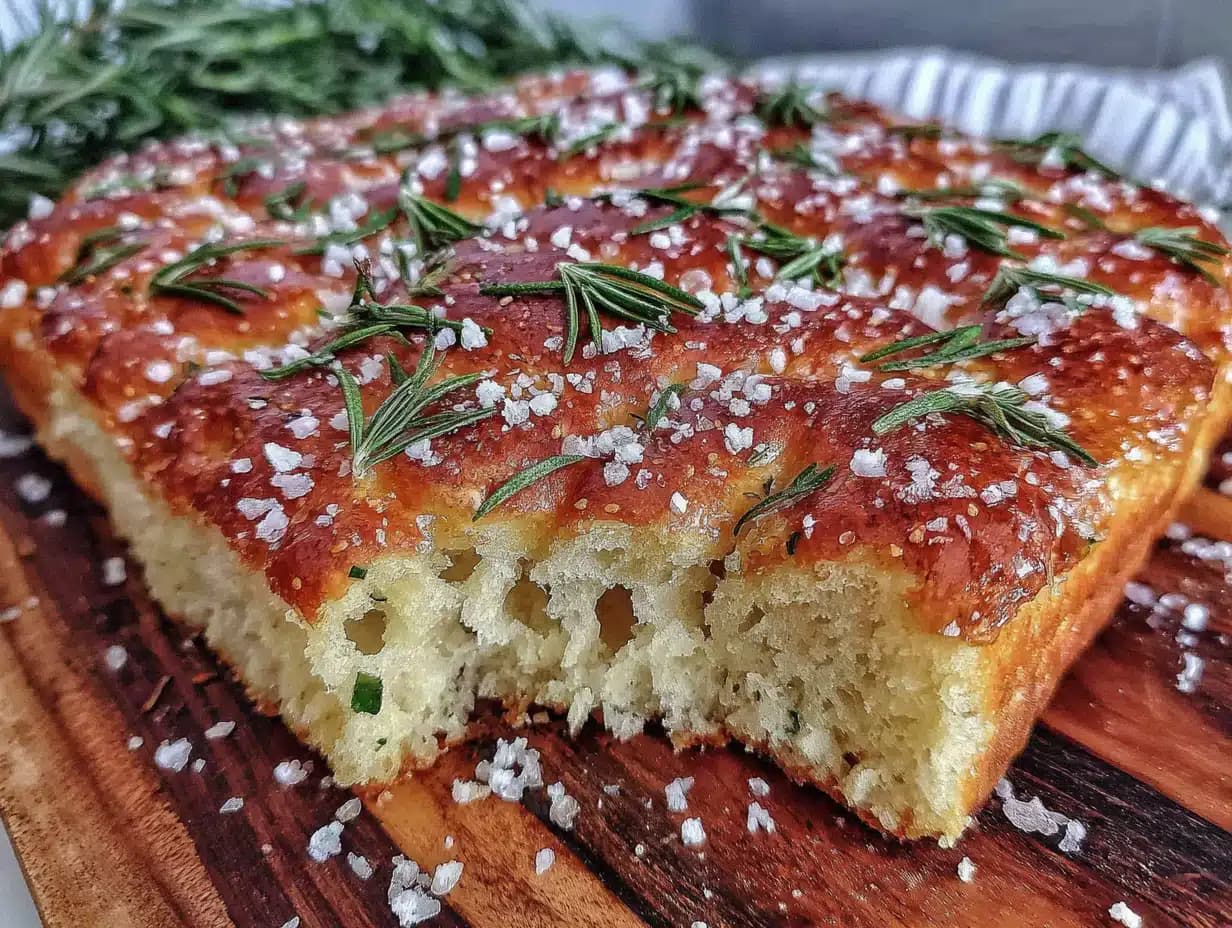
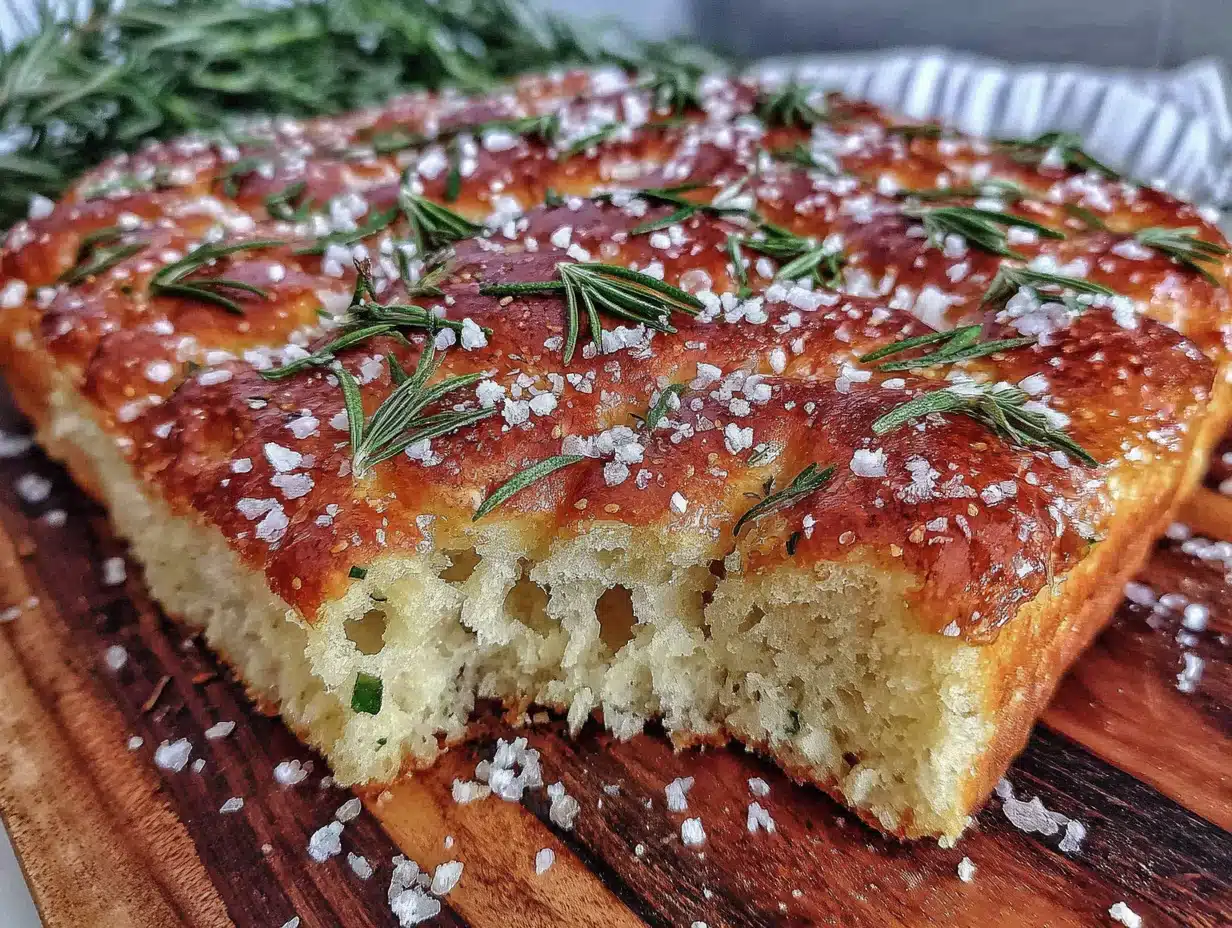
Choose a young, active sourdough starter culture. Sourdough starter helps give rosemary focaccia bread its airy texture. Baked in an oiled pan, the fresh bread has a golden-brown top and bottom and an olive oil and rosemary flavor.
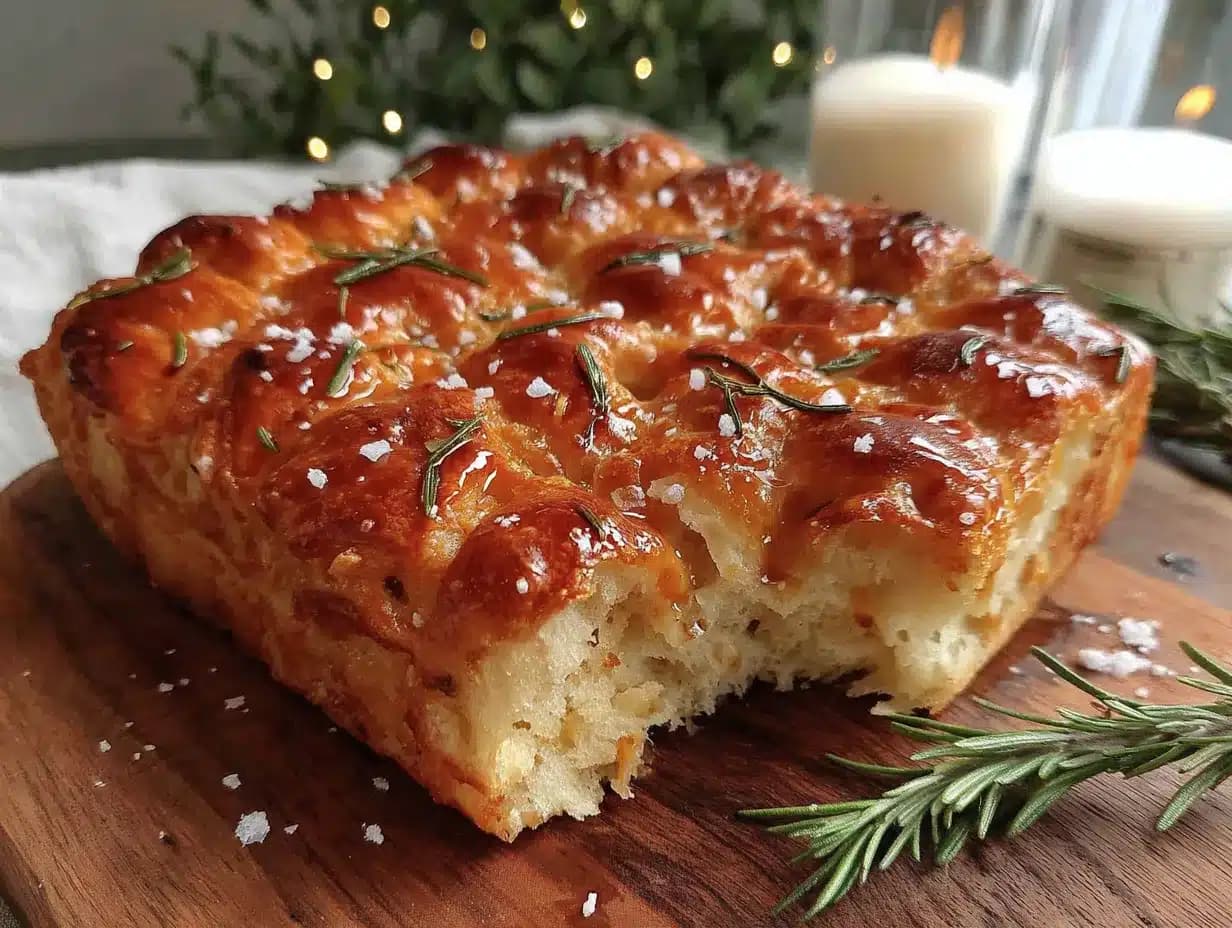
Bread flour is added to the high-moisture dough for structure. Lukewarm water is used to activate the starter. Rosemary and olive oil are added to the dough and drizzled onto the top of the pan and dimpled dough surface before baking. Sea salt is added to the dough, and flake salt and rosemary sprigs are added to the top of the dough before baking.
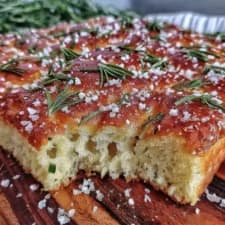
Expect the dough to be wet initially and continue working in olive oil and rosemary until the dough becomes less wet and more flexible. The dough will rise by about 100 percent, show bubbles, and jiggle when the bowl is shaken during bulk fermentation. Coil folds and other techniques help develop a strong dough structure that holds air bubbles; skipping them can result in flat, dense focaccia.
Cool the bread on a wire rack after removing it from the pan to avoid a wet crust. Serve and consume bread after 20 or more minutes of cooling. Other options include serving with soups and salads or saving cooled focaccia to make sandwiches the next day.
Why you'll love this recipe
- 1Bread flour keeps the high-hydration dough bubbly and provides the chewy texture and large holes the recipe calls for.
- 2A frothy starter fed 4-6 hours before use can help the dough for the day rise. Other ingredients, including commercial yeast or specialty flours, are not necessary.
- 3Fresh rosemary is added to and sprinkled on the dough. Fresh rosemary leaves add flavor to the bread and crust.
- 4A generous amount of extra-virgin olive oil is a key ingredient in this recipe for flavor and the crunchy fried-style bottom characteristic of focaccia.
- 5Flaky sea salt fills the folds of the tortilla for added texture and flavor in each bite of the tortilla.
- 6The formula for the bread includes flour, water, sourdough starter, oil, salt, and rosemary. Few ingredients are needed to make a loaf of bread.
Ingredients
- •500 g bread flour
- •10 g fine sea salt
- •400 g water (lukewarm)
- •150 g active sourdough starter (bubbly and fed within the last 4-6 hours)
- •60 g extra-virgin olive oil (plus more for the pan and drizzling)
- •2 tbsp fresh rosemary (finely chopped, plus whole sprigs for topping)
- •flaky sea salt (for finishing)
Instructions
- 1
Whisk the bread flour and fine sea salt in a large mixing bowl. In a separate measuring cup, stir the lukewarm water and active sourdough starter until the starter is mostly dissolved. Pour the wet ingredients into the dry ingredients and mix with a hand or spatula until no dry flour remains. Cover and rest for 30 minutes.
- 2
Drizzle the olive oil over the dough and sprinkle in the chopped rosemary. With a wet hand, fold the dough over itself 6 to 8 times, rotating the bowl as you work, until the oil and rosemary are incorporated. Cover the bowl again.
- 3
Over the next 4 to 5 hours, perform coil folds every 30 to 45 minutes during the first 2 hours. For each session, wet your hand, lift the dough from its center so it folds beneath itself, rotate the bowl 90 degrees, and repeat for 4 folds total. Then leave the dough covered for the remaining 2 to 3 hours, until it nearly doubles, looks bubbly, and jiggles.
- 4
Generously coat a 9×13-inch baking pan with olive oil, covering the bottom and sides. Gently scrape the dough into the pan and let it rest uncovered for 20 minutes.
- 5
Oil your fingertips and gently stretch the dough to the pan edges; if it resists, rest it for another 10 minutes and try again. Press deep dimples across the surface, drizzle with more olive oil, and top with flaky sea salt and whole rosemary sprigs.
- 6
Cover the pan loosely with plastic wrap and let the dough rise for 1 to 1.5 hours, until puffy and filling the pan. Preheat the oven to 425°F (220°C) about 30 minutes before baking.
- 7
Bake on the middle rack for 25 to 30 minutes, checking at 20 minutes for a deep golden-brown top and crisp bottom. If the top browns too quickly, tent it loosely with foil for the final 5 minutes. Cool in the pan for 5 minutes, transfer to a cooling rack, and cool at least 20 minutes before slicing.
FAQ
Reviews
Pin this recipe
Tap an image to save it to Pinterest.